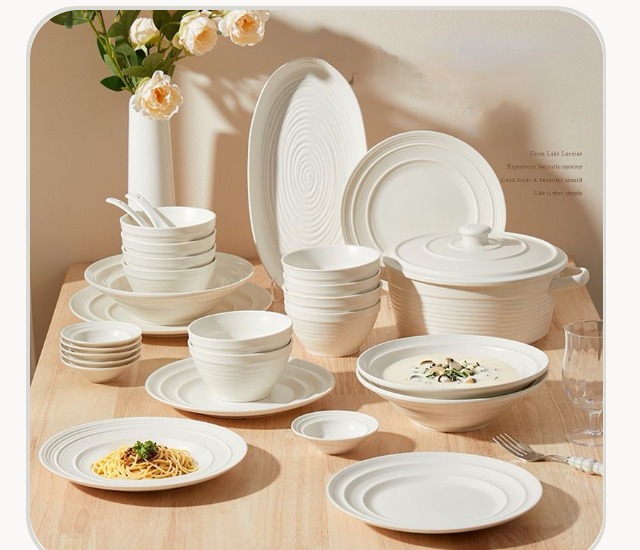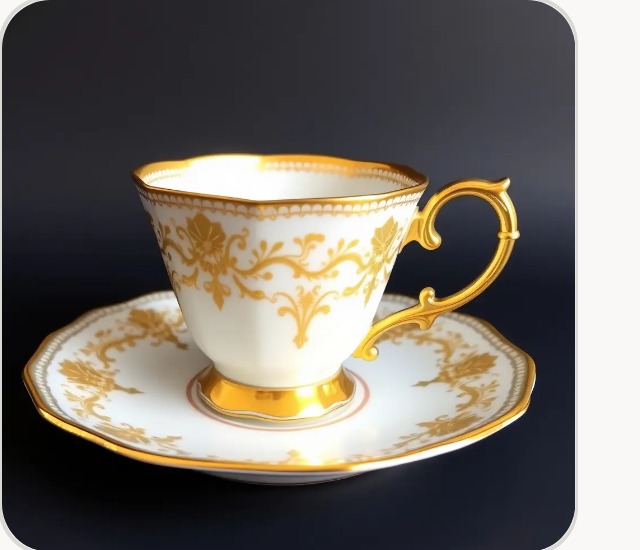
What is reactive glaze?
Reactive glaze is a type of glaze where multiple chemical compounds are layered on the bisque (unfired) piece. During firing at 1,200–1,300°C, these compounds react with each other and melt, flow, and bloom in unpredictable patterns. The result: every single piece looks slightly different. No two plates are ever identical.
Reactive glazes are popular in modern restaurants and boutique hotels precisely because of this uniqueness. Buyers who want a "handcrafted" or "artisan" aesthetic tend to love them. The flowing colors, often blues, greens, ambers, and earth tones, create a sense of depth that flat, uniform glazes cannot match.
However, the same variation that makes reactive glaze beautiful also means quality control is harder. If the reaction is too strong, the glaze can pool thickly in one area and thin out in another. A good manufacturer will have tight kiln temperature controls to keep the variation within an acceptable range.
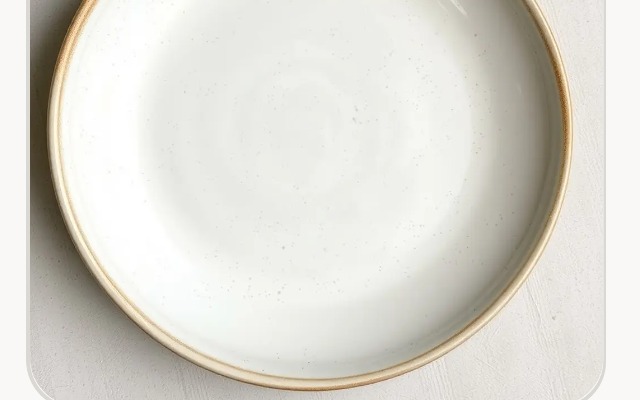
Reactive Glaze, Flowing Pattern
Note how the glaze pools at the edges and thins toward the center. This is a natural characteristic, not a defect.
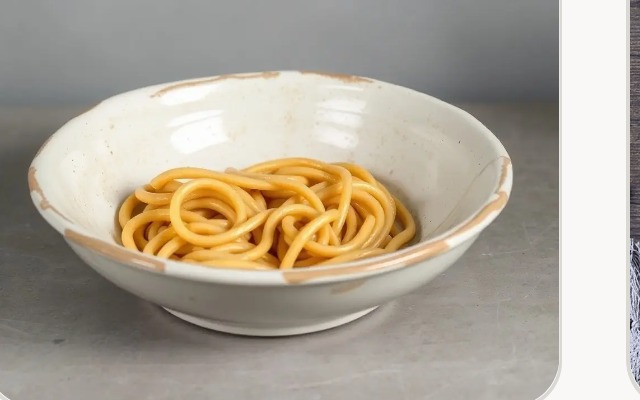
Reactive Glaze, Serving Bowl
On curved surfaces, the flow pattern is even more pronounced, creating a waterfall effect.
What is underglaze?
Underglaze is the opposite approach to decoration. Instead of relying on chemical reactions during firing, the color is painted or printed onto the bisque before the clear glaze is applied. The clear glaze on top seals and protects the color, making it highly durable and resistant to fading, scratching, and dishwasher wear.
The most famous example of underglaze is blue-and-white porcelain, the classic cobalt blue painted under a clear glaze, used for centuries in Chinese ceramics. Modern underglaze can include any color, and can be applied by hand-painting, decal transfer, or screen printing.
Underglaze is the go-to choice when you need consistency. Every plate looks the same. The pattern is crisp and repeatable across thousands of pieces, which is why hotel chains and franchise restaurants often prefer it.
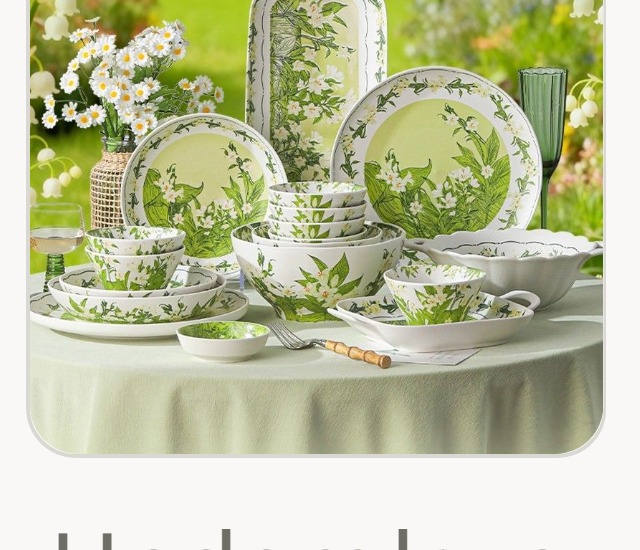
Underglaze, Floral Set
Hand-painted floral motifs in classic underglaze blue. Consistent and elegant across the entire set.
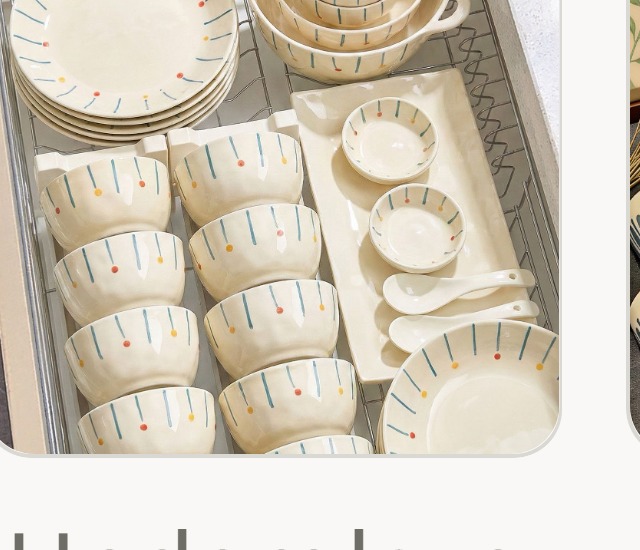
Underglaze, Bowl
The pattern wraps cleanly around the bowl, protected under the clear glaze layer.
Head-to-head comparison
| Dimension | Reactive Glaze | Underglaze |
|---|---|---|
| Appearance | Unique, flowing, organic, no two identical | Crisp, consistent, repeatable patterns |
| Color range | Earthy tones, blues, greens, ambers | Full spectrum, any color, any pattern |
| Durability | Good, glaze is integral to the body | Excellent, color sealed under clear glaze |
| Dishwasher resistance | Good (500+ cycles) | Excellent (1,000+ cycles, color does not fade) |
| Quality control | Harder, variation is inherent | Easier, pattern is pre-designed and repeatable |
| Best for | Boutique hotels, restaurants, gift shops | Hotel chains, franchises, bulk retail |
| Price point | Mid-to-high (kiln control costs more) | Mid (efficient for large runs) |
| Customization | Limited, the glaze controls the look | High, any logo, pattern, or color can be applied |
Which should you choose?
Choose reactive glaze if:
- Your brand values uniqueness and artisan character
- You are supplying boutique hotels, fine dining, or gift retailers
- Your customers appreciate that no two pieces are exactly alike
- You do not need to print logos or specific patterns on the surface
Choose underglaze if:
- You need consistency across hundreds or thousands of pieces
- You are supplying hotel chains, franchise restaurants, or supermarket retailers
- You want to apply your own logo, brand mark, or custom pattern
- Your tableware goes through heavy commercial dishwasher use
Can you combine both?
Yes. Some of the most striking collections use reactive glaze as a base, with underglaze decals applied on top. This gives you the depth and flow of reactive glaze, plus the precision of a printed pattern or logo. It costs more per piece but produces a genuinely premium result that stands out on any shelf.
What about overglaze?
For completeness, overglaze (or enamel) decoration is applied on top of the fired glaze, then re-fired at a lower temperature (700–900°C). This allows bright colors like red, gold, and metallic finishes that cannot survive high-temperature firing. The trade-off is that overglaze decoration is less durable than underglaze, it can scratch or fade under heavy dishwasher use. Overglaze is ideal for decorative pieces, seasonal collections, and luxury tableware that is hand-washed or used occasionally.
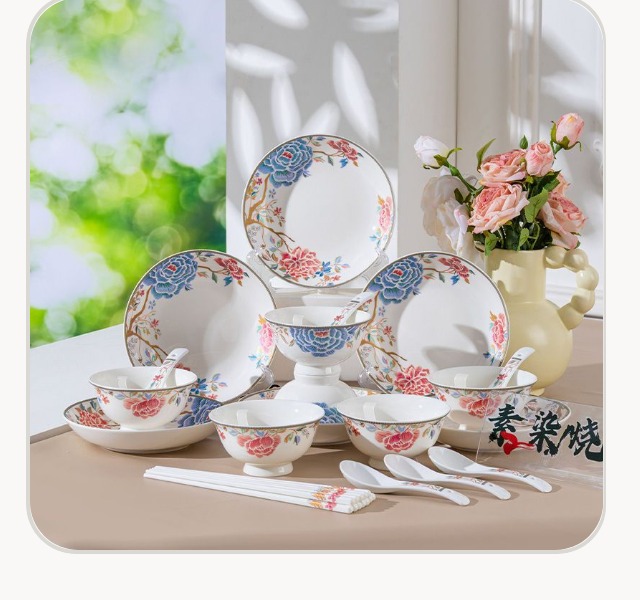
The bottom line
Reactive glaze offers beauty through controlled chaos. Underglaze offers beauty through precision and durability. Neither is objectively better, the right choice depends on your market, your brand, and how the tableware will be used. When in doubt, order samples of both and put them through your dishwasher for a month. The one that still looks great after 100 washes is the one you want.
Want to see samples of both?
Hongxin Ceramics produces both reactive glaze and underglaze collections. We ship free samples within 7 days so you can test before committing to a bulk order.
Request Free Samples